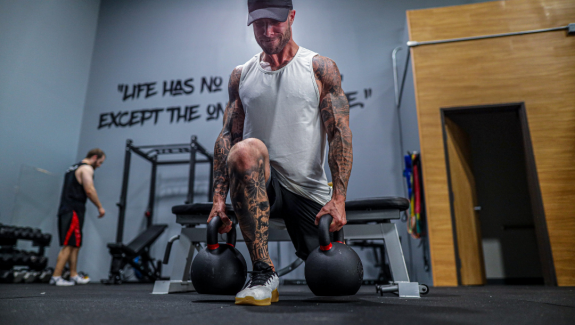

How stress affects muscle growth, in short: chronic stress keeps cortisol elevated, and sustained high cortisol suppresses testosterone and growth hormone, slows muscle protein synthesis, and speeds up muscle breakdown. A demanding job, a newborn, or a business you’re building doesn’t just make training harder — it interferes with the actual biology your muscles need to grow. Training stress and lifestyle stress are not the same thing, and that distinction matters more than most people realize.
Here’s the thing nobody wants to hear: you can nail your macros, hit every session, and still spin your wheels for months if the other 23 hours of your day are working against you. I’ve coached over 2,000 clients in 16 years, and the ones who plateau the hardest are almost never undertrained. They’re overloaded — running a company, raising kids, sleeping five hours, and wondering why the mirror hasn’t changed.
Most articles on this topic either oversimplify it (“stress is bad, cortisol is bad, meditate more”) or bury you in biochemistry with no action attached. Neither helps you. So let’s actually break down what’s happening in your body, what’s a myth, and what to do about it if your life doesn’t have room for a step back.
Key Takeaways
- Chronic stress and acute training stress are physiologically different. One builds you up, the other tears you down — and your nervous system doesn’t fully separate the two if you’re not managing both.
- Cortisol itself isn’t the enemy. It’s chronically elevated cortisol, without recovery, that suppresses testosterone, blunts protein synthesis, and accelerates muscle breakdown.
- Most of the damage from a high-stress lifestyle isn’t hormonal — it’s behavioral. Poor sleep, missed meals, and low adherence do more damage than cortisol acting alone.
How Stress Affects Muscle Growth at the Hormonal Level
Your body runs on two competing systems: the sympathetic nervous system (SNS), which is your fight-or-flight gear, and the parasympathetic nervous system (PNS), which is your rest-and-repair gear. Muscle is built almost entirely in PNS mode — that’s when digestion, tissue repair, and hormone regulation actually happen.
The problem is that a demanding job, a business you’re bootstrapping, or a house full of kids keeps your SNS switched on for hours at a time, every day. Physiologists call the wear-and-tear from this constant activation “allostatic load.” Your body doesn’t get the chance to shift into repair mode, so it stays in a low-grade catabolic (tissue-breakdown) state even when you’re not training.
Cortisol Isn’t the Villain — Chronic Cortisol Is
Cortisol gets blamed for everything, and that’s lazy. A cortisol spike during a heavy set of squats is a good thing — it mobilizes glycogen, sharpens focus, and acts as a short-term anti-inflammatory. This is the same mechanism that makes hard training effective in the first place.
The issue is chronic elevation — cortisol that never comes back down because you’re stuck answering emails at 11pm or running on four hours of sleep with a newborn. When cortisol stays elevated around the clock, it activates the pathways your body uses to break down muscle protein into amino acids for emergency energy. Over time, breakdown starts to outpace repair.
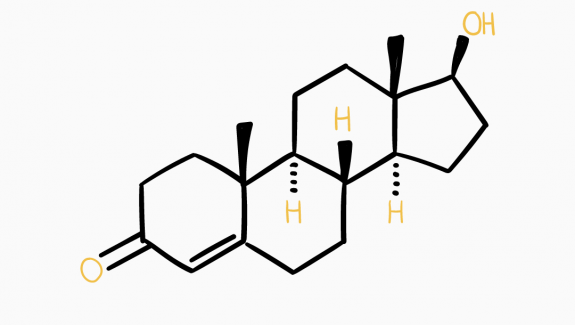
There’s also a resource-competition problem worth understanding: testosterone and cortisol are produced from the same starting hormone (pregnenolone). When your adrenal glands are constantly being asked to pump out cortisol, testosterone production takes a back seat. That’s part of why chronically stressed clients often report low libido and sluggish recovery alongside stalled muscle gains — it’s not separate symptoms, it’s one shared mechanism.
Sleep Is Where Most of the Damage Actually Happens
Over 70% of your daily growth hormone release happens during deep, slow-wave sleep. If stress is keeping you wired at night — or if you’re simply not getting enough hours because your schedule doesn’t allow it — you’re cutting off one of the primary windows your body has to repair and build tissue.
This isn’t theoretical. Researchers at the University of Chicago (Nedeltcheva et al., 2010) put dieters on an identical calorie deficit and split them into two groups: one getting 8.5 hours of sleep, the other 5.5 hours. The well-rested group lost roughly half their weight as fat. The sleep-deprived group lost the majority of their weight as lean muscle tissue instead. Same diet, same deficit — completely different outcome, because sleep determined what got sacrificed.
Separately, a 2021 study out of Physiological Reports (Lamon et al.) found that a single night of sleep deprivation was enough to measurably reduce next-day muscle protein synthesis, alongside a spike in cortisol and a drop in circulating testosterone. One bad night won’t ruin you. A pattern of them will.
Your Nervous System Doesn’t Recover Any Faster Because You’re “Disciplined”
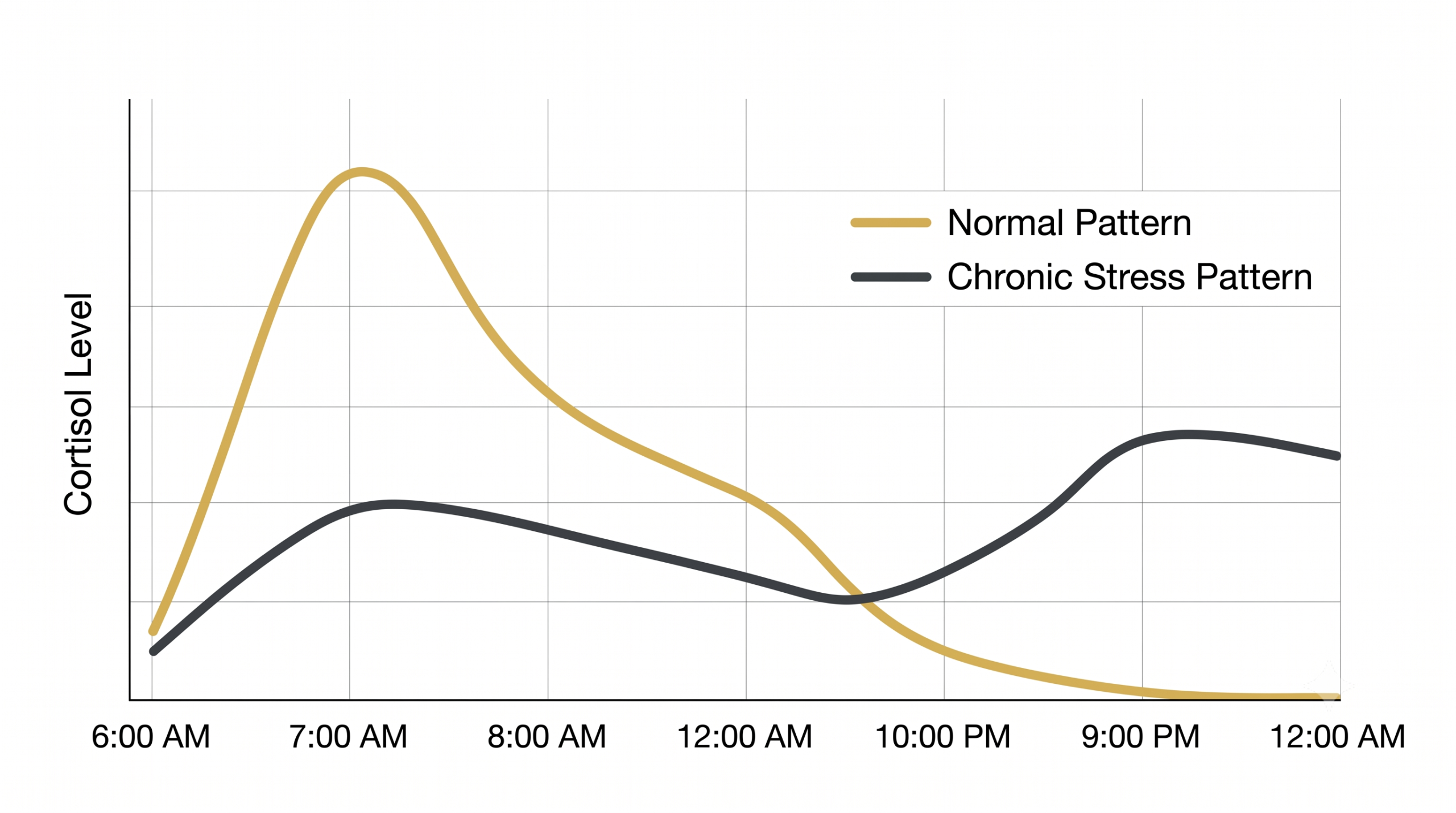
This is the part high performers hate hearing: your central nervous system doesn’t have separate buckets for work stress, financial stress, and gym stress. It’s one bucket. If your job is filling it 80% full, you don’t have much room left for a brutal training session on top of it — and pushing through anyway doesn’t build resilience, it just overflows the bucket.
A 2014 study in the Journal of Strength and Conditioning Research (Stults-Kolehmainen et al.) tracked lifters running identical resistance programs and found that the ones reporting high life-stress took up to 96 hours to recover muscular strength after a session — double the roughly 48 hours it took low-stress lifters on the exact same program. Same training. Same effort. Different recovery capacity, because the total stress load — not just training stress — determines how fast you bounce back.
Why Your Job, Your Kids, or Your Business Might Be the Real Problem
Here’s where most content on this topic gets lazy: it treats “stress” as one generic thing and tells you to meditate. In reality, chronic lifestyle stress attacks your physique through two separate channels, and only one of them is hormonal.
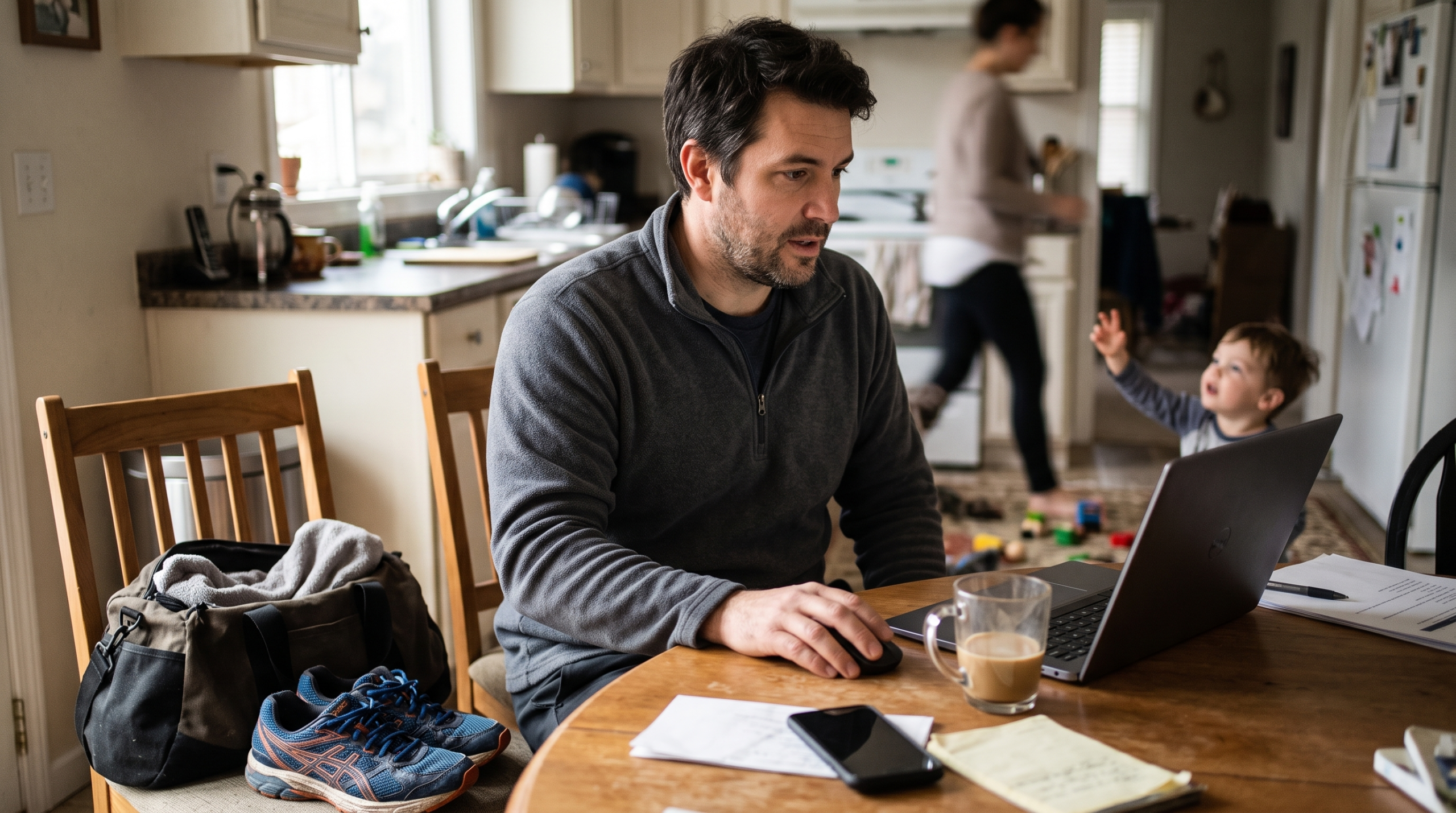
Channel 1 — Direct hormonal interference. Everything covered above: suppressed testosterone and growth hormone, elevated cortisol, disrupted sleep architecture. Chronically high cortisol also has a higher density of receptors in visceral fat (the fat around your organs) than in fat elsewhere on your body, which is part of why high-stress executives tend to carry weight specifically around the midsection even when total calorie intake hasn’t changed.
Channel 2 — Adherence and behavior. This one does more damage than most people realize, and it’s the one our own coaching data backs up consistently: stress drives cravings for high-calorie comfort food, disrupts meal timing, cuts into sleep, and makes people skip sessions or go through the motions when they do show up. You don’t need a lab test to see this playing out — you just need to look at what happens to your plate and your training log during your busiest month of the year.
A stressed, sleep-deprived version of you isn’t just working against a hormonal disadvantage. You’re also less likely to hit your protein target, more likely to grab takeout at 9pm, and more likely to half-ass a session instead of skip it entirely (which, ironically, can be worse for recovery than just resting). Both channels stack on top of each other, which is why “just manage your stress” without addressing training and nutrition logistics rarely works on its own.
For a deeper dive into the biological mechanisms and how they interact with fat storage specifically, we’ve broken it down further in how stress impacts your body composition and in our full guide to how hormones influence fat loss and muscle growth.
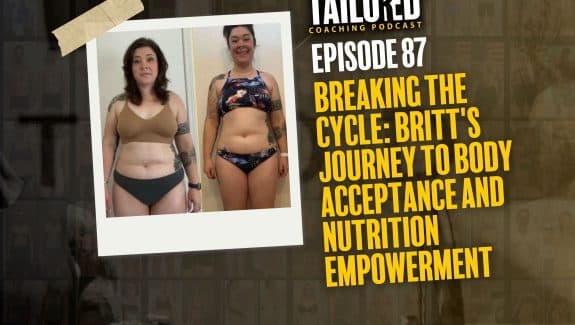
Sean Hill: 8 Kids, Multiple Businesses, and Still Built Real Muscle
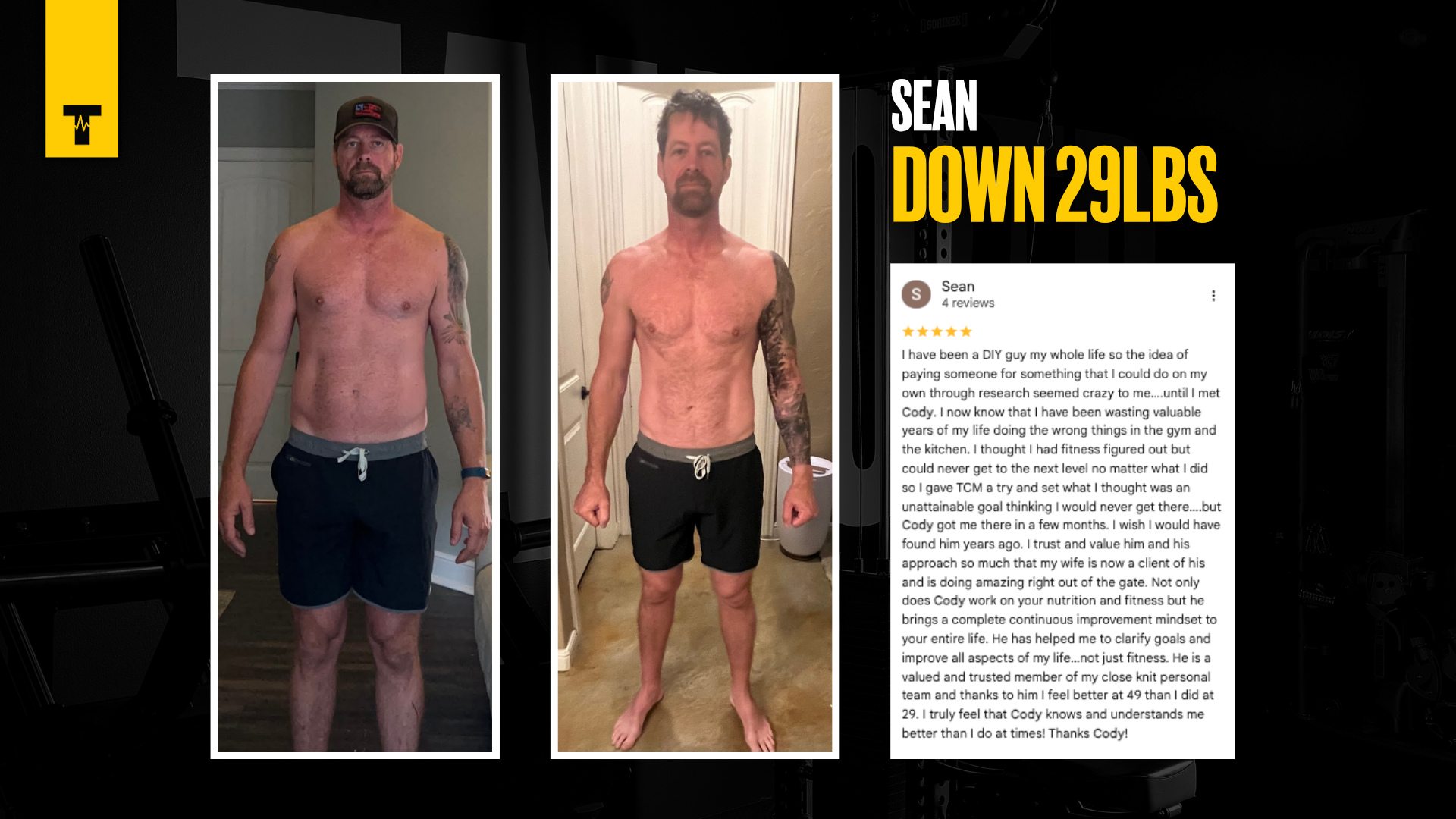
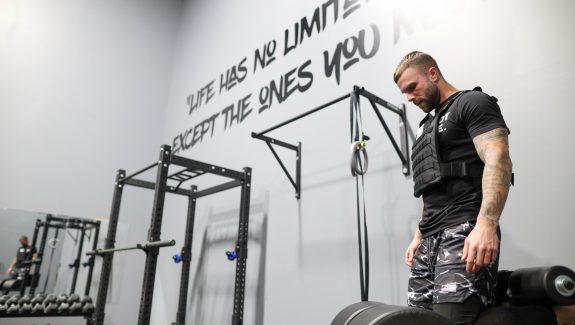
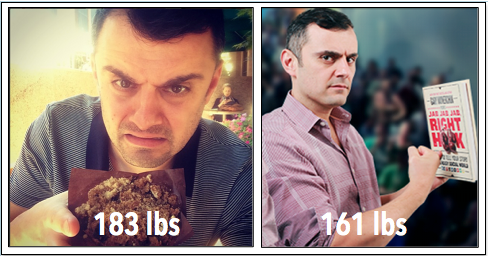
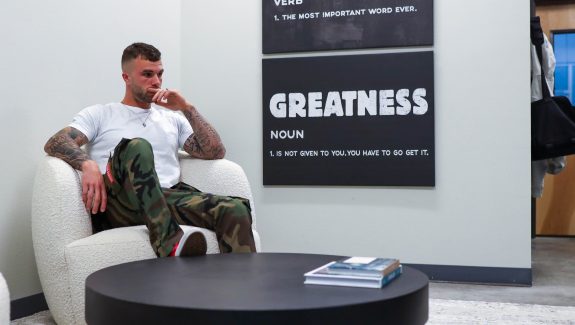
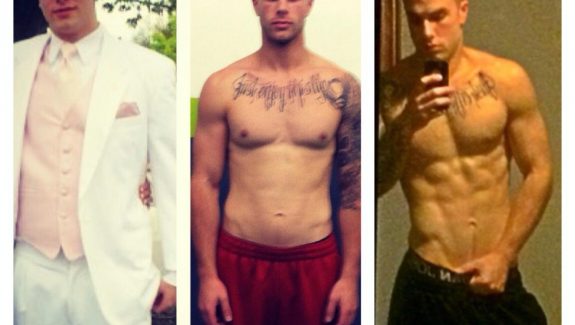
If you want proof that a genuinely overloaded life doesn’t have to be a life sentence for your physique, look at Sean Hill. Sean is 50 years old, a father to eight kids, and runs multiple businesses. If anyone had a legitimate excuse to say “I don’t have the bandwidth for this,” it was him.
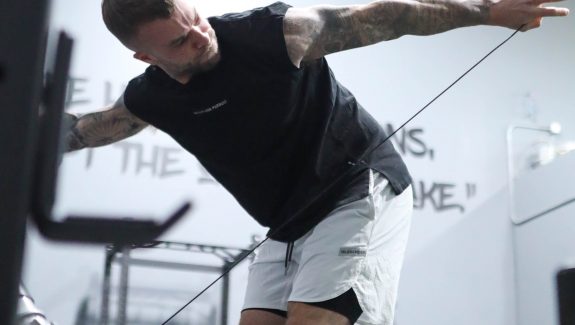
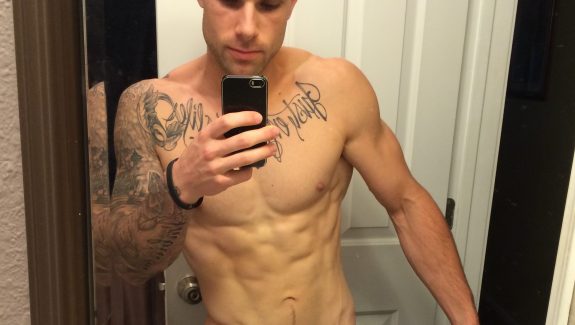
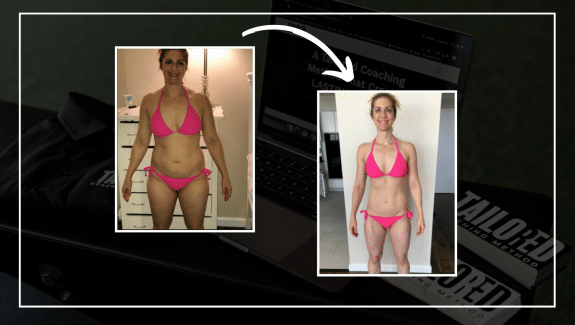
Instead, Sean lost 29 pounds of fat and gained 14 pounds of muscle — all while maintaining the same demanding schedule that made him think transformation wasn’t realistic in the first place. What changed wasn’t his life circumstances. It was the system around his training and nutrition, built specifically to fit inside the chaos instead of requiring him to eliminate it first.
The line his coach told him — “you are the most important project” — wasn’t a throwaway quote. It’s the actual mindset shift required here. You’re not waiting for a lower-stress season of life to start taking care of yourself. You build the plan around the stress you already have. You can hear Sean’s full story in our podcast interview on his transformation.
How to Train and Recover When Your Life Is Already Maxed Out
None of this means you need to quit your job or hand off your kids to fix your hormones. It means you train and recover differently than someone with a wide-open schedule and low baseline stress. Here’s what that actually looks like:
→ Stop chasing training volume you can’t recover from. Research on volume and hypertrophy (Schoenfeld et al., 2017) shows the majority of muscle growth happens within the first 5–10 hard sets per muscle group per week — additional volume past that point offers diminishing returns while adding real recovery cost. If your life stress is already high, adding “garbage volume” on top of it doesn’t build more muscle. It just adds fatigue you don’t have the bandwidth to recover from. Three to four solid training days with 6–10 hard sets per muscle group is enough for most people in a high-stress season — and this is a place where you genuinely have to test what your own recovery can handle rather than copying someone else’s split.
→ Protect sleep like it’s part of the program, not an afterthought. You don’t need eight perfect hours every night. You need a consistent floor you rarely miss, because sleep is where the hormonal environment for muscle growth actually gets built.
→ Use short recovery tools between the chaos, not instead of managing it. A few minutes of slow, extended-exhale breathing (inhale 4 seconds, hold 4, exhale 4, hold 4) genuinely shifts you toward parasympathetic dominance — a 2023 study in Cell Reports Medicine (Balban et al.) found brief structured breathing outperformed standard meditation for lowering physiological stress markers in just a few minutes a day. It’s not a fix for a fundamentally overloaded schedule, but it’s a real lever you can pull between meetings.
→ Walk after you eat. Stress drives your liver to dump extra glucose into your bloodstream. A short walk after meals — even ten minutes — activates glucose uptake in your muscles without needing extra insulin. A 2016 study in Diabetologia (Reynolds et al.) found a 10-minute post-meal walk cut post-meal blood sugar spikes by 12–22% compared to walking at other times of day. It’s a small habit, but it’s one of the few interventions that costs almost nothing and directly counters a stress-driven mechanism.
→ Fuel the recovery window you do have. Carbohydrate and protein intake post-training helps blunt the cortisol response and shift your body out of a catabolic state faster. If your schedule only gives you a narrow window to eat well, that window matters more, not less.
None of this is a shortcut, and I’m not going to pretend any of it replaces actually addressing the source of chronic overload if it’s genuinely unsustainable. But if your job, your kids, or your business aren’t going anywhere anytime soon, these are the levers that actually move the needle inside the constraints you have. If you want this dialed in specifically for your schedule and stress load instead of guessing, that’s literally what our online coaching team does.
Frequently Asked Questions About Stress and Muscle Growth
Can high stress completely stop muscle growth?
Chronic, unmanaged stress can significantly slow muscle growth by suppressing testosterone and growth hormone, disrupting sleep, and increasing muscle protein breakdown, but it typically doesn’t stop growth entirely on its own. In most cases, the bigger issue is that stress wrecks training consistency and nutrition adherence, which does far more damage than the hormonal shift by itself.
Does working out increase cortisol, and is that bad?
Yes, resistance training raises cortisol temporarily, and that’s a normal, necessary part of the adaptation process — it helps mobilize energy and supports focus during a session. The problem isn’t training-induced cortisol; it’s cortisol that stays elevated for hours or days because you’re not recovering from the rest of your life on top of your workouts.
How long does it take for stress-related muscle loss to reverse?
There’s no fixed timeline, because it depends on how chronic the stress was and how consistently you address sleep, training volume, and nutrition afterward. Most clients who get sleep and recovery back on track see noticeable improvements in training performance and recovery within a few weeks, though full hormonal normalization can take longer depending on the individual.
What are the signs that stress is affecting my muscle gains?
Common signs include stalled strength progress despite consistent training, prolonged soreness or slower recovery between sessions, increased cravings and poor dietary adherence, disrupted sleep, and stubborn fat retention around the midsection. If several of these are showing up together, your training program probably isn’t the problem.
Can I still build muscle with a genuinely stressful job or lifestyle?
Yes — plenty of people build real muscle while working demanding jobs or raising families, but it usually requires training smarter rather than harder, meaning appropriately capped volume, protected sleep, and nutrition that fits the time you actually have. It’s harder than building muscle with a wide-open schedule, but it’s not off the table.
None of this is complicated once you see the mechanism clearly — but that’s not the same as it being easy. You can’t out-supplement a nervous system that never gets to power down, and you can’t meditate your way out of a schedule that’s genuinely overloaded. What you can do is build the training and nutrition around the life you actually have instead of the one you wish you had time for. Sean didn’t wait for things to slow down. Neither should you.