For many people, the hardest part of a health journey isn’t the food or the workouts — it’s the internal dialogue. The self-doubt. The feeling of being “broken.” The constant cycle of trying again, falling off, and wondering why change feels so hard.
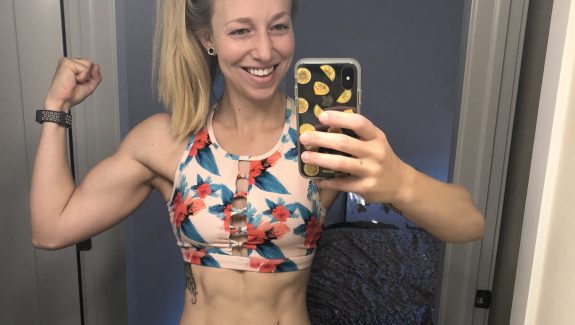
That’s where Kim’s story begins.
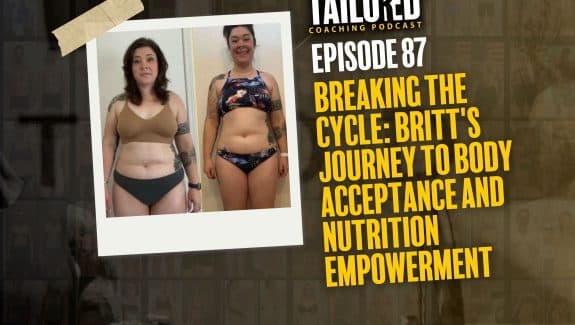
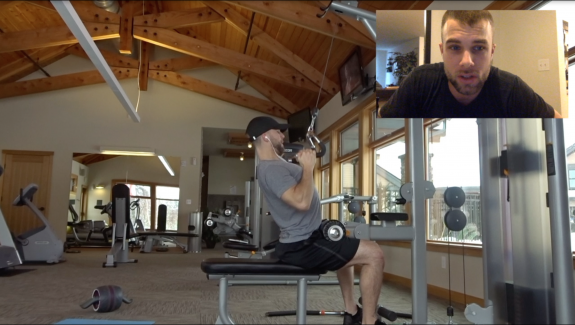
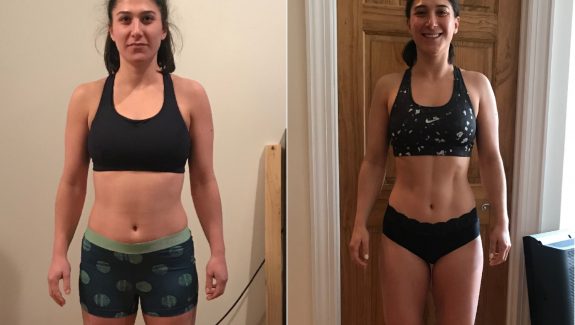
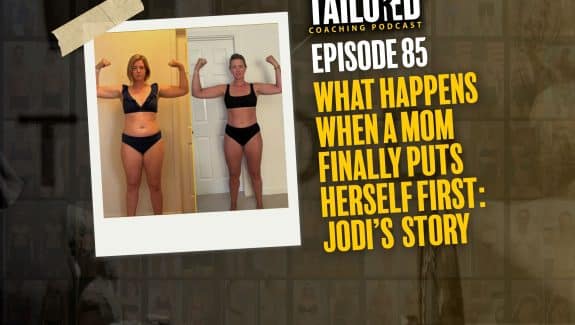
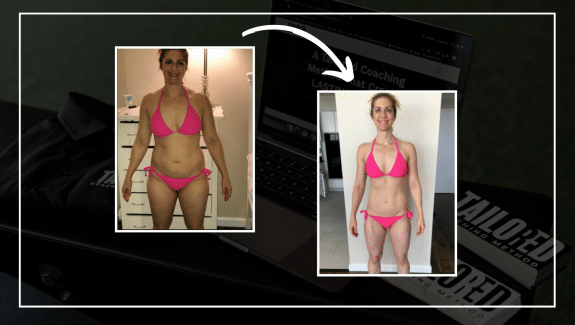
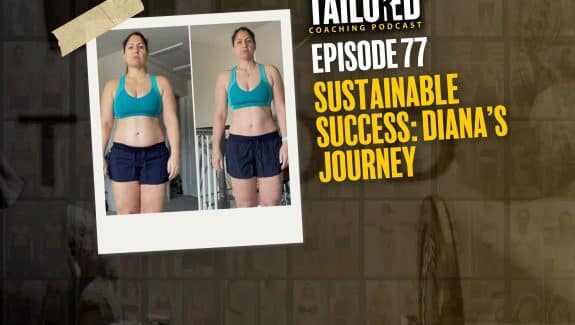
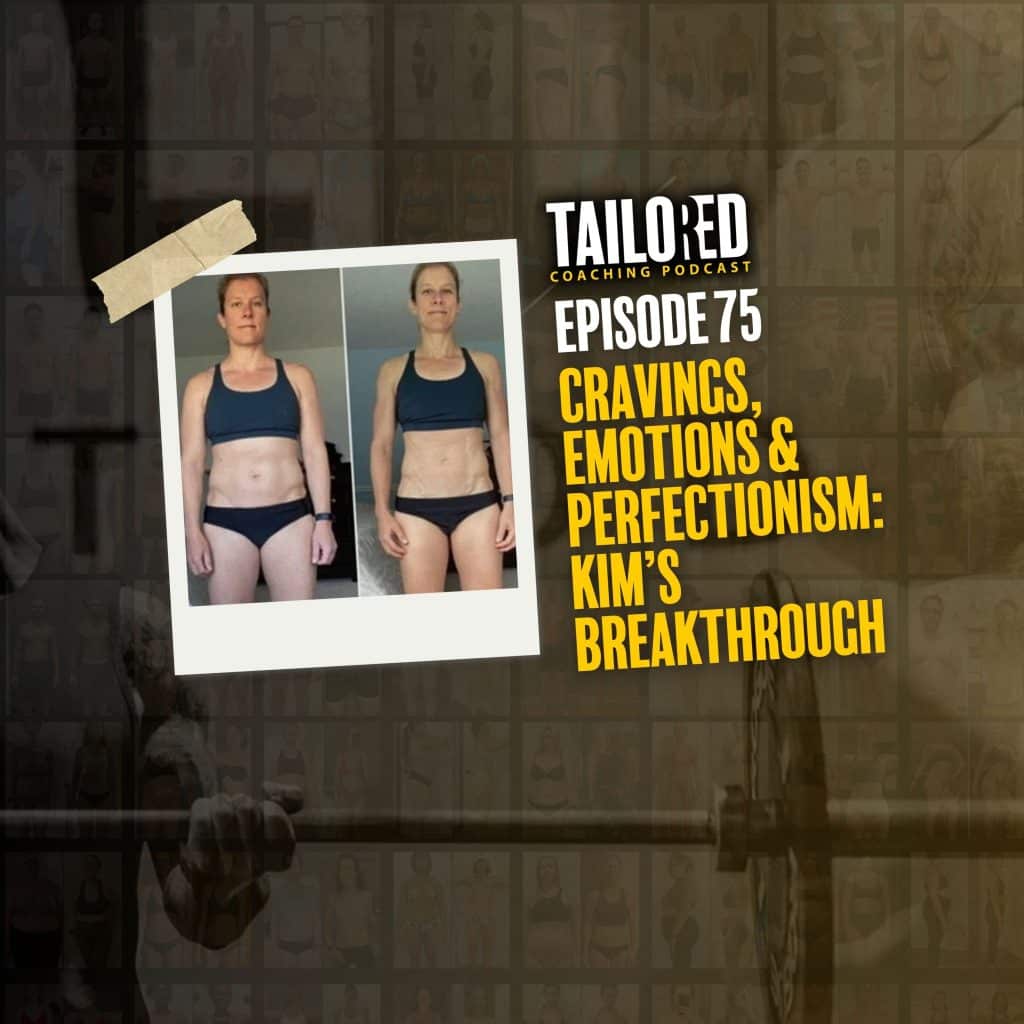
In this episode of the Tailored Coaching Podcast, Coach Arielle DeYampert sits down with Kim to explore a transformation that goes far beyond weight loss. This conversation dives deep into the emotional side of change — belief, self-compassion, perfectionism, and learning how to build a healthier relationship not just with food, but with yourself.
Kim’s journey is a powerful reminder that sustainable change doesn’t come from punishment. It comes from understanding, patience, and the willingness to meet yourself with kindness instead of criticism.
Kim’s full episode on the Tailored Coaching Podcast is here:
The Yo-Yo Diet Cycle and the Feeling of Being “Broken”
Like many clients, Kim came into coaching with a long history of dieting. She had tried plans, rules, resets, and programs — some worked temporarily, many didn’t. The pattern was familiar: initial success, eventual burnout, and then starting over.
Over time, that cycle created something heavier than frustration.
It created the belief that something was wrong with her.
She began to see herself as the problem instead of the approach.
This is one of the most common experiences for people who have spent years in diet culture. When methods fail, people blame themselves instead of questioning the method. Kim’s story brings voice to that experience — and shows how coaching helped her begin to challenge that belief.
The Power of Feeling Seen and Supported
One of the first shifts Kim experienced through coaching wasn’t nutritional — it was emotional.
She felt seen.
Heard.
Understood.
That mattered more than she expected.
Instead of feeling like she had to perform or be perfect, she felt safe enough to be honest. Honest about her struggles. Honest about her emotions. Honest about the moments she felt like giving up.
That support became the foundation for everything else. With Arielle’s guidance, Kim began to recognize that she wasn’t failing — she was learning. And learning is messy, nonlinear, and human.
Sometimes the most important coaching tool isn’t a plan.
It’s belief.
Understanding Human Nature Around Food
A key part of Kim’s transformation came from learning that cravings, emotional eating, and inconsistency aren’t character flaws — they’re part of being human.
Through coaching, she started to understand:
-
Why certain foods feel more tempting than others
-
How restriction can increase obsession
-
Why stress and fatigue impact decision-making
-
How emotional needs often drive food choices
-
Why compassion leads to better outcomes than control
This awareness changed how she responded to herself. Instead of reacting with shame, she started responding with curiosity.
“Why do I feel this way?”
“What do I actually need right now?”
“What would support me instead of punish me?”
Those questions became tools for growth.
Learning to Parent Yourself With Compassion
One of the most powerful concepts Kim shared in the episode was the idea of parenting yourself.
Instead of treating herself like a project that needed fixing, she began practicing self-guidance. That meant:
-
Encouraging herself instead of criticizing
-
Offering patience instead of pressure
-
Responding thoughtfully instead of emotionally
-
Acknowledging progress instead of only focusing on flaws
This shift helped her build trust in herself again.
Not perfection.
Trust.
And trust is what allows sustainable change to exist.
Navigating Emotions Instead of Avoiding Them
Before coaching, food often served as a coping tool. Stress, sadness, overwhelm, frustration — all of it could lead to automatic eating patterns.
Through her work with Arielle, Kim began learning how to pause instead of avoid. To sit with emotions instead of suppress them. To process instead of escape.
This wasn’t easy. But it was transformative.
Instead of asking, “How do I stop feeling this?”
She began asking, “What is this feeling trying to tell me?”
That emotional awareness created space for better choices — not because she was forcing them, but because she was finally listening to herself.
Letting Go of Perfectionism
Perfectionism had played a major role in Kim’s dieting history. If she couldn’t do it perfectly, she often felt like it wasn’t worth doing at all.
Coaching helped her dismantle that belief.
She learned:
-
Progress is not linear
-
Consistency doesn’t require perfection
-
One choice doesn’t define a journey
-
Flexibility is a skill, not a weakness
-
Growth often looks like a zigzag, not a straight line
This allowed her to approach nutrition and life with more ease. Instead of chasing perfection, she focused on presence, effort, and progress.
That’s where sustainability lives.
Redefining Joy Beyond Food
Another important shift Kim experienced was learning that joy doesn’t have to come only from eating. For a long time, food was a primary source of comfort, celebration, and pleasure.
Through self-discovery, she began reconnecting with other sources of joy:
-
Experiences
-
Movement
-
Connection
-
Creativity
-
Rest
-
Personal growth
Food didn’t lose its enjoyment — it just stopped being the only place joy lived.
That balance changed everything.
The Real Transformation: Self-Compassion
Kim’s story isn’t just about changing habits.
It’s about changing identity.
She moved from:
-
Self-criticism → self-compassion
-
Shame → understanding
-
Control → curiosity
-
Perfectionism → progress
-
Feeling broken → feeling capable
This is the kind of transformation that lasts because it’s rooted in mindset, not motivation.
And it’s a powerful reminder that the relationship you have with yourself will always shape the relationship you have with food.
Final Thoughts: You Are Not Broken — You’re Learning
Kim’s journey speaks to anyone who has ever felt stuck, frustrated, or convinced they were the problem.
Her story shows that change doesn’t come from forcing yourself harder.
It comes from understanding yourself better.
With support, self-compassion, and the willingness to grow, transformation becomes less about fixing and more about discovering.
And that’s where real freedom begins.
Find your own freedom with our coaching- Apply here.